

By: Troy Jacoby
Architecture for living environments is increasingly trending toward mixed-use realms that, to succeed, must be both inviting and unique—blending lifestyle, culture, and commerce into one seamless experience. We as a firm have observed that four core principles—placemaking, shared spaces, culture, and architecture—strongly influence whether these environments achieve lasting success. This series will look to iconic films for references and explanations of why they resonate so deeply, and how JLA’s current work is incorporating these insights.
Placemaking
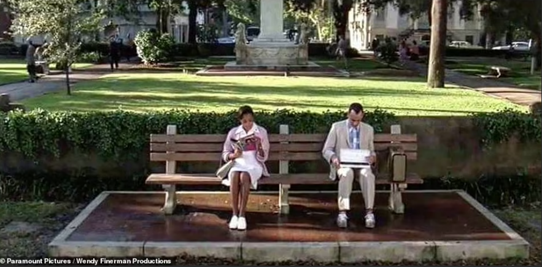
In Tom Hanks’s iconic film Forrest Gump, many of the story’s most memorable moments return to a simple public square where Forrest shares the chapters of his life with complete strangers. The setting isn’t an exotic destination or a grand architectural landmark—it’s a familiar place many of us have experienced. This everyday environment offers a calming presence, a sense of safety and community, visual interest, and a meaningful connection to nature.
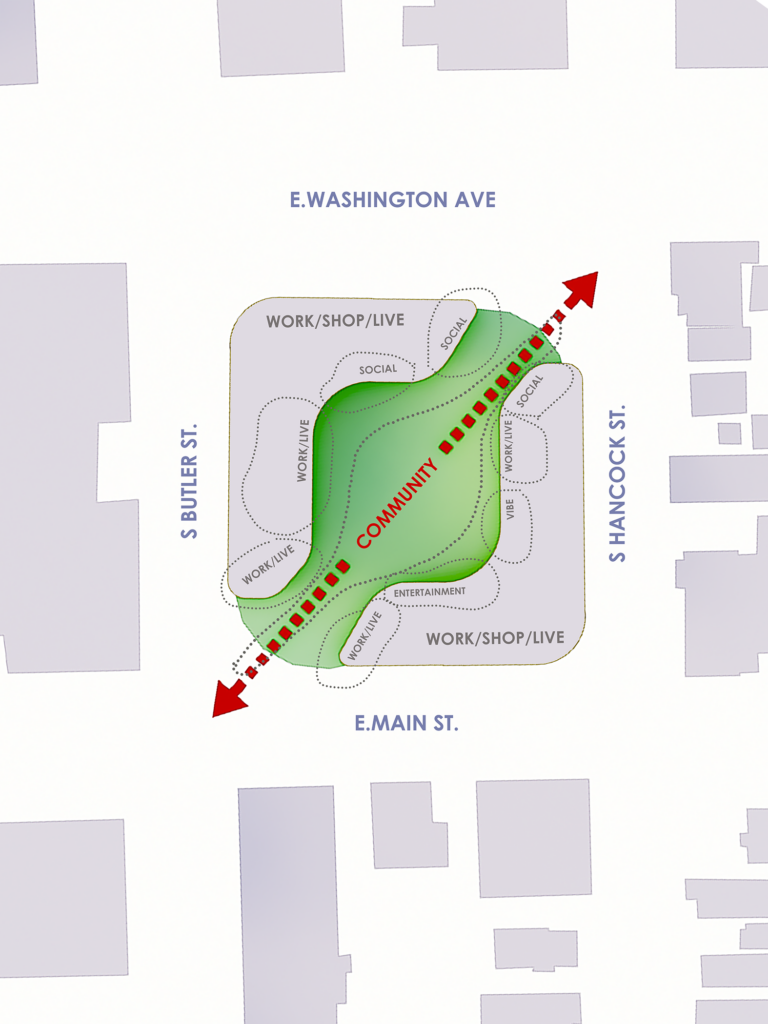
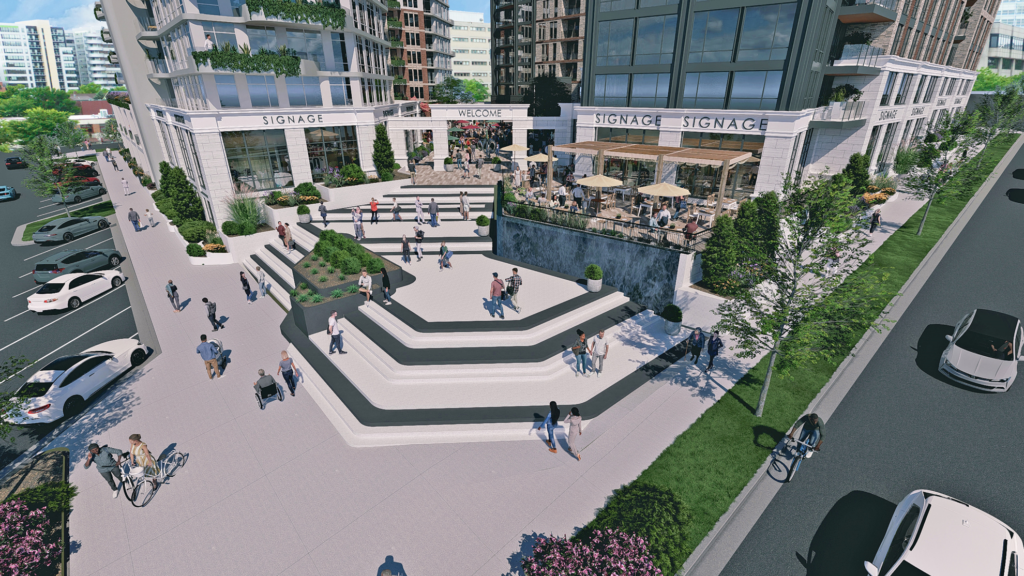
JLA’s Brayton Lot Request for Proposals (RFP) response to the City of Madison centered on essential community‑making principles that shaped our overall approach. While many mixed‑use developments prioritize elevated private spaces tailored specifically to a select few, our strategy emphasizes public accessibility and the activation of the spaces between buildings.
Shared Spaces


Shared spaces surround us, and Hollywood often uses them as the backdrop for many of its classic scenes. Countless films use these moments—after all, what’s more human than sitting among others, enjoying a drink or a meal with a good friend, and simply being part of the crowd?
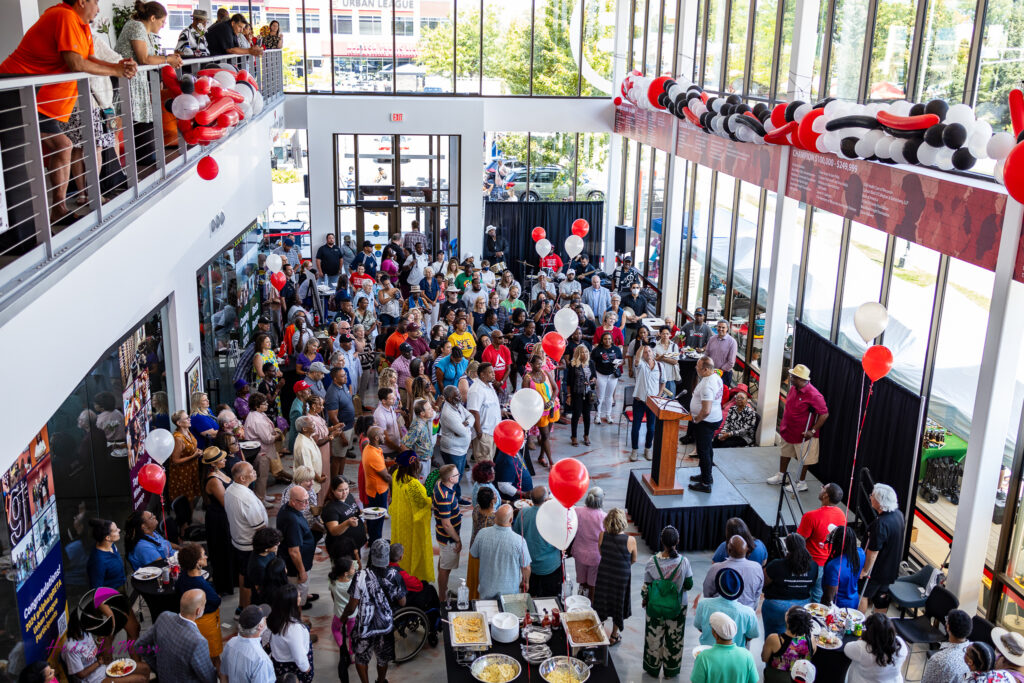
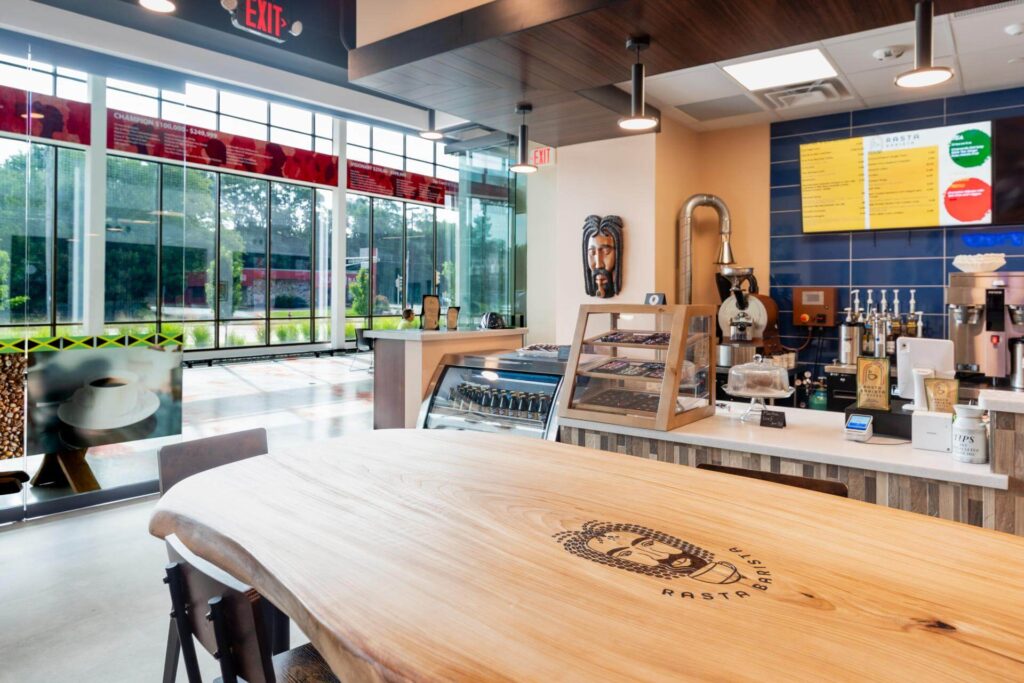
JLA’s design for The Urban League’s Black Business Hub (Madison, WI), features a diverse mix of retail businesses, coworking spaces, and entrepreneurial support services—all with the goal of creating a place where Black and other BIPOC-owned businesses can thrive and build lasting legacies.
A key element in achieving this vision is the two‑story gathering space at the heart of the building. Individual tenants have access to this shared area and use it to support their unique needs. Coffee shop users, barbers, food vendors, office users, and even the DMV all benefit from and contribute to the amenities this space provides.
Culture

The 1997 film Selena chronicles the singer’s rise to fame and tragic death, highlighting both the cultural challenges she faced and her determination to stay true to her roots.

JLA’s design for the new multifamily building in Milwaukee’s Fifth Ward, Taxco, also carries a connection to this historic singer and cultural icon. To make way for the six‑story development, a smaller, underutilized building featuring a mural of Selena had to be removed. To honor both her legacy and the neighborhood, we collaborated with the original mural artist, Mauricio Ramirez, to recreate his work on a much larger scale. The base of the building also features artwork created in collaboration with students from the local Milwaukee Institute of Art and Design.
Architecture
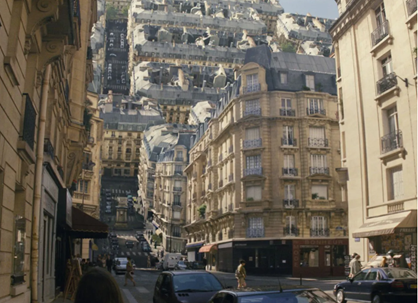
In Inception, Leonardo DiCaprio’s character can enter people’s dreams to alter or influence them. These alterations often take the form of changes to the built environment, reshaping a dreamer’s perception of place. The scene above instantly transports you to the streets of Paris, making the shift feel both seamless and striking.
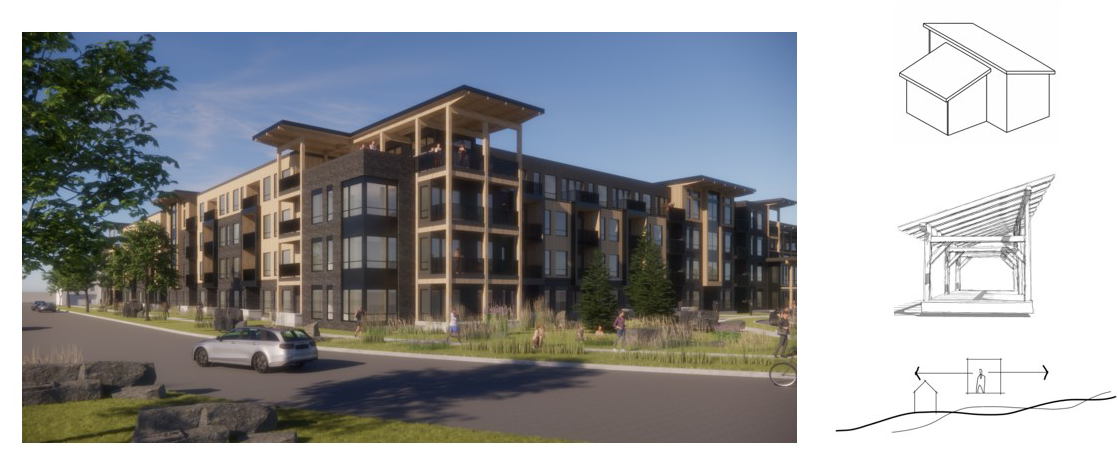
In architecture, the site plays a crucial role in shaping a building’s form and its sense of place. These contextual relationships guide how a building responds to its surroundings and influence its overall aesthetic. In JLA’s design for a new four‑story apartment building in Denver’s Central Park Neighborhood, these considerations are central to the project.
The suburban massing and rooflines surrounding the site highlight the importance of a strong roof element. To reinforce the connection to place, the roof forms draw inspiration from the region’s mountain architecture and heavy‑timber character, grounding the building in a recognizable local aesthetic. Finally, views toward downtown Denver and the mountain range are celebrated through rooftop patios that frame and elevate these visual connections.
I hope you enjoyed this simple guide on how observation, reflection, and learning from the successes and failures of the past can help lead us toward a more fulfilling future. Over the next several months, we’ll explore these core principles in greater depth to uncover the social science behind the built environment and how thoughtful consideration can unlock unexpected results – stay tuned.

Troy Jacoby, JLA’s Director of Design, has over 25 years of experience in the built environment. He works closely with our in-house designers to elevate JLA’s design capabilities and streamline our design processes. Even with a cursory glance at Troy’s portfolio of award-winning work, you’ll see his passion for designing spaces that enhance the way we live our lives is evident.
About Informed Design
‘Informed Design’ is a blog series brought about by JLA’s design team. Architecture for living environments is increasingly trending toward blending lifestyle, culture, and commerce into one seamless experience. We as a firm have observed that four core principles—placemaking, shared spaces, culture, and architecture—strongly influence whether these environments achieve lasting success. This series will look to iconic films for references and explanations of why they resonate so deeply, and how JLA’s current work is incorporating these insights.