

By: Gigi Szeklinski
Interior design, much like architecture for living environments, blends multiple factors into a shared human experience. According to the U.S. Environmental Protection Agency (EPA), Americans spend approximately 90% of their time indoors. Additionally, individuals experience spaces differently based on their unique backgrounds and experiences. At JLA, we incorporate four core principles into our environments to ensure that every space, project, and design achieves lasting success.
Placemaking
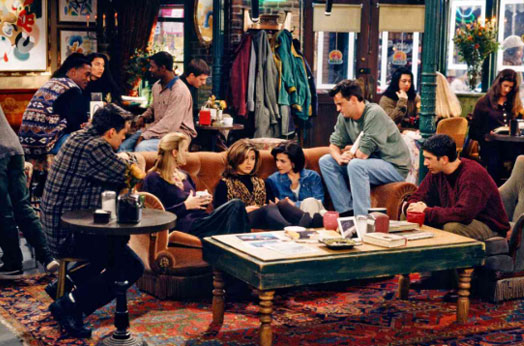
Placemaking overlays human behavior within the built environment to create intentional, engaging places and spaces. It seeks to strengthen community connections while making design more human-centered. The goal is to create environments that are meaningful, functional, and visually appealing. Effective placemaking encourages participation while providing multiple ways for people to engage, ensuring opportunities are available to a diverse range of users.
Successful placemaking often includes one to three focal areas that establish identity and encourage interaction, complemented by a variety of supporting spaces that allow users the choice to participate, observe, or simply be.
In the television series Friends, Central Perk serves as the friend group’s “place”. Along with Monica’s apartment, few spaces from the show are more recognizable. Like any successful coffee shop, Central Perk provides multiple zones of activity where furniture and spatial organization support different user needs and preferences. This concept of creating distinct but connected activity zones can also be applied to residential and community living environments.
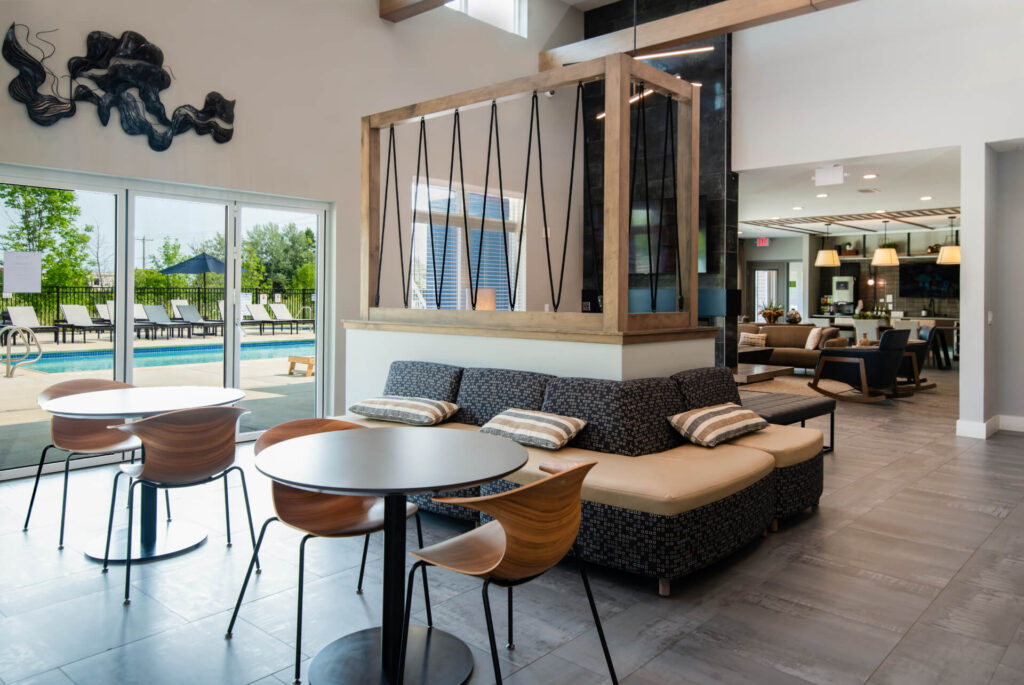

JLA’s designs for the clubhouse at Hub 13 and the lounge interior at Tailer Nicole Wine and Cupcakes Lounge embody these placemaking principles. Each design establishes a unique sense of identity while responding to the character and goals of its specific project. Most often these areas are larger rooms organized into smaller functional zones, allowing multiple users to occupy the space simultaneously while participating in different activities. This layered approach supports flexibility, social interaction, and personal choice, creating spaces that feel both welcoming and purposeful.
Shared Spaces

Shared spaces are everywhere—from where we work to where we play. These environments can create memorable, neutral, or even negative experiences. Understanding the diversity of users is essential to ensure that everyone feels welcome and included.
In addition to aesthetics, safety and comfort are equally important considerations within shared environments. Concepts such as prospect and refuge—the balance between having a clear view of one’s surroundings and access to spaces that provide a sense of shelter or privacy—play a critical role in how people experience a space. Individuals naturally seek environments where they can choose their level of engagement and feel comfortable within the broader setting.
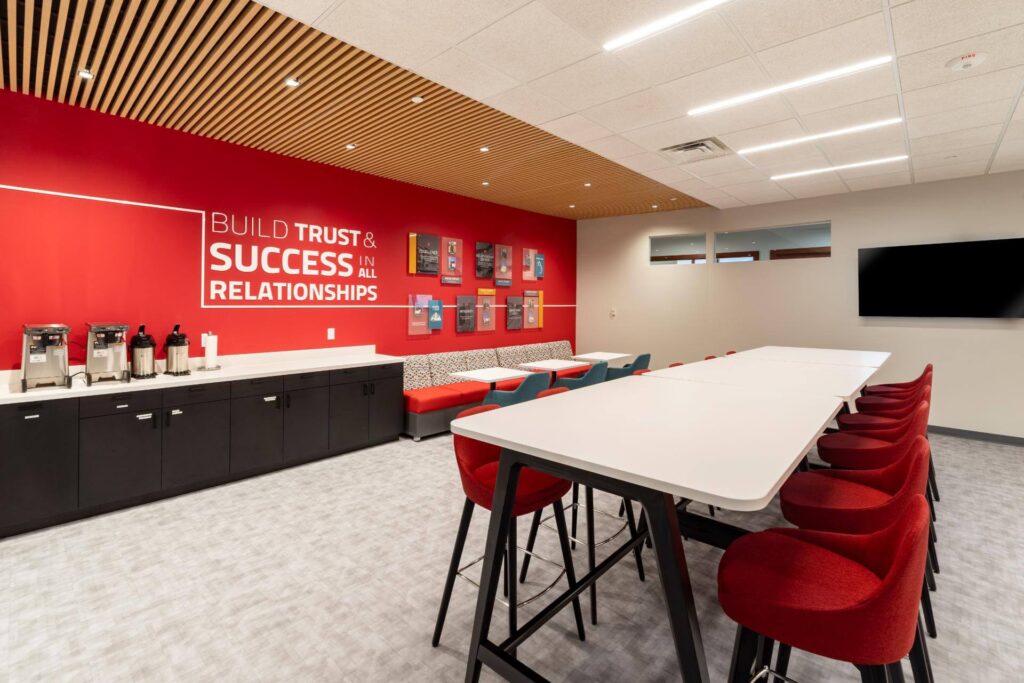

JLA’s designs for the break area at Steven’s Construction Headquarters, and the co-working space of The Eastern reflect these principles by encouraging choice and flexibility. These spaces are not designed for a single type, but rather to respond to varying needs and expectations. A key consideration is recognizing that some may be familiar with the space while others may be experiencing it for the first time. Providing both collaborative gathering areas and individual retreat spaces within a shared environment ensures that all users can find a setting that supports their preferred experience.
Culture
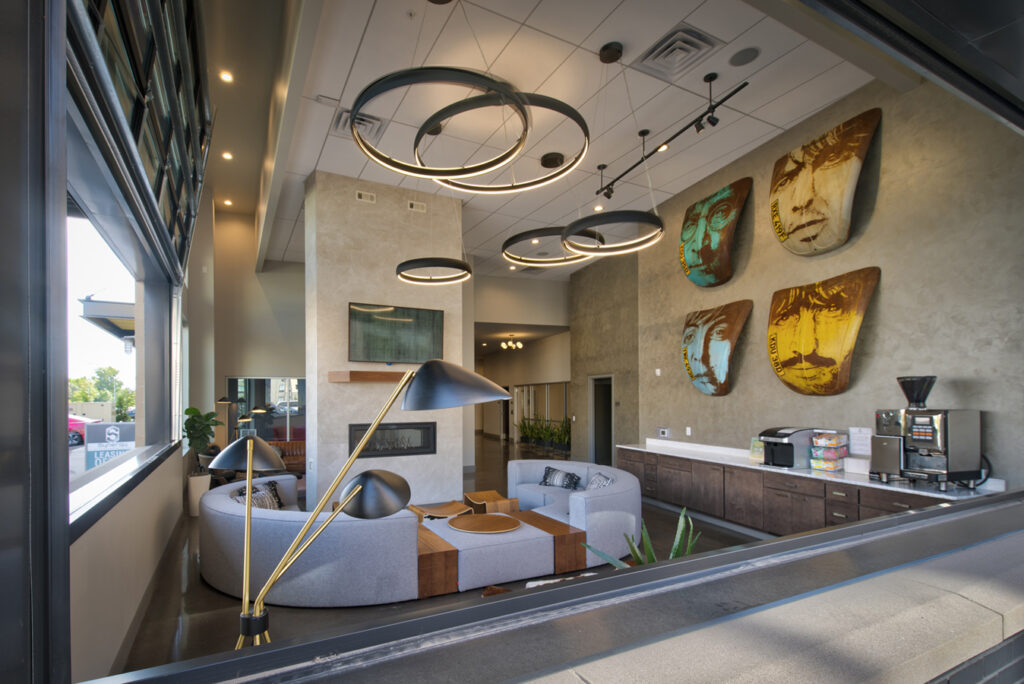
Certain artists, movements, and cultural icons transcend time and place. While culture is often associated with ethnicity, nationality, or social groups, it can also be connected to a particular era, lifestyle, movement, or collective attitude. The Beatles, among many others, have repeatedly demonstrated how cultural influence can endure across generations. More than fifty years after their rise to prominence, their impact remains visible in music, fashion, graphic design, product design, and the built environment.
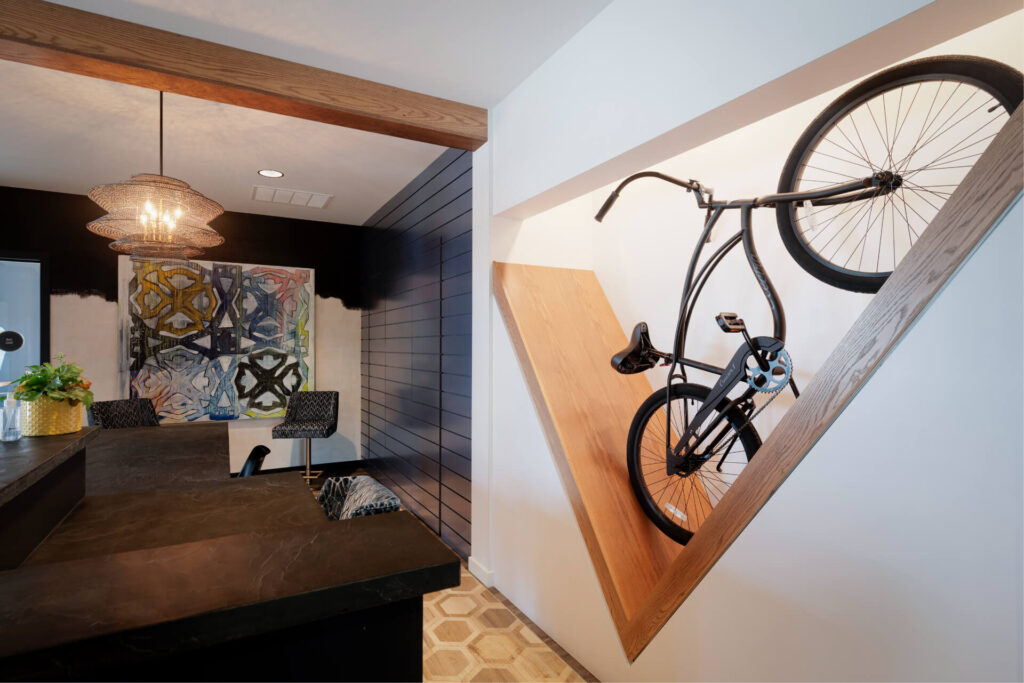
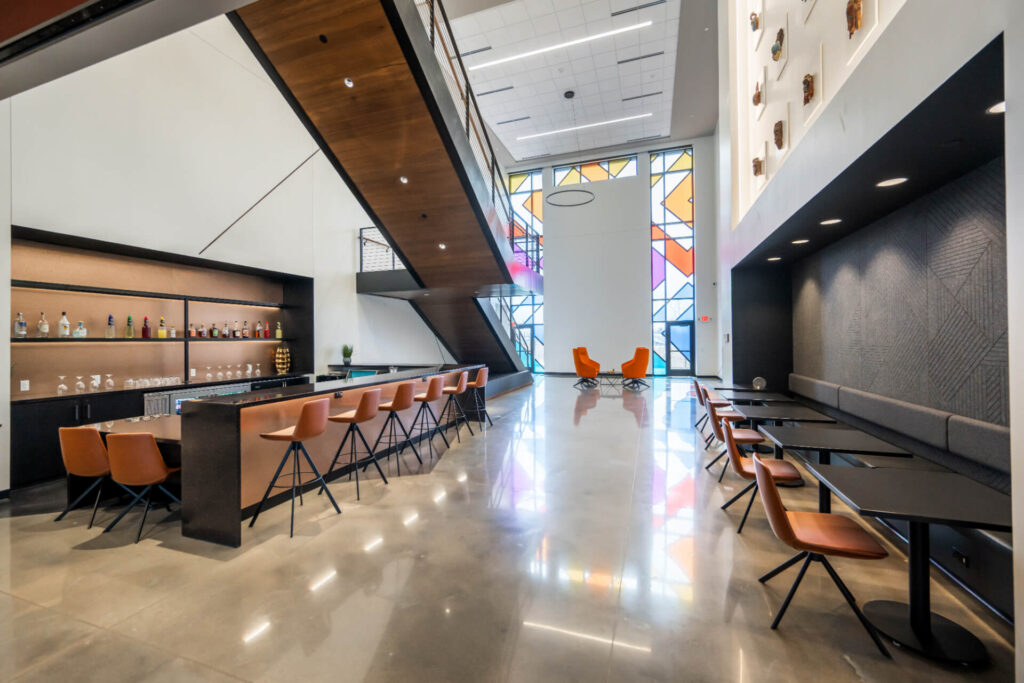
JLA’s design for Velo Village demonstrates how a cultural concept can be woven throughout a project to create vibrant and lively environments. Starting with the project’s name, Velo ~ French for bike, through interior design, the bicycle-rated theme was carefully curated to stimulate energy through a sophisticated color palette and unique bicycle associated elements. The design of The Center for Black Excellence celebrates Black culture. Throughout the building, bold colors and carefully curated design elements draw attention to these influences and stories, creating an environment that embodies the community while establishing a unique sense of place.
Architecture
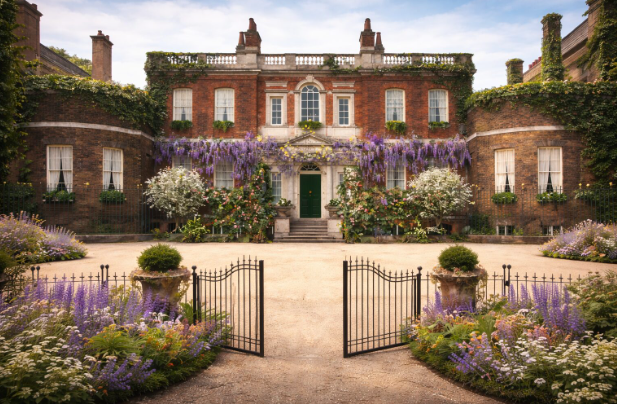
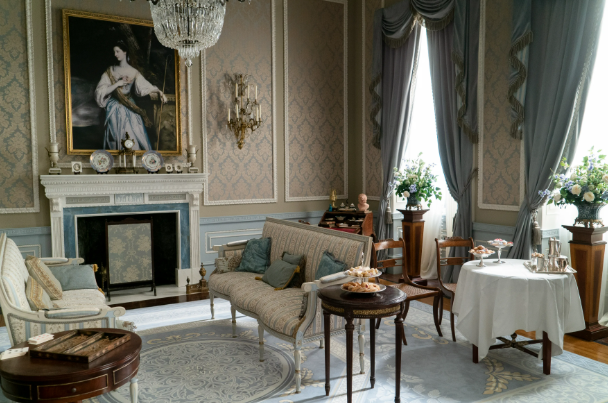
Bridgerton is set in England during the Regency Period of the early nineteenth century. Regency architecture emphasized symmetry, classical detailing, and stately aesthetic. Interiors reflected luxury through soft pastel palettes, exotic decorative accents, elegant furnishings, and carefully composed spaces. The style communicated social status, refined sophistication, and a worldly perspective rooted in classical design traditions.
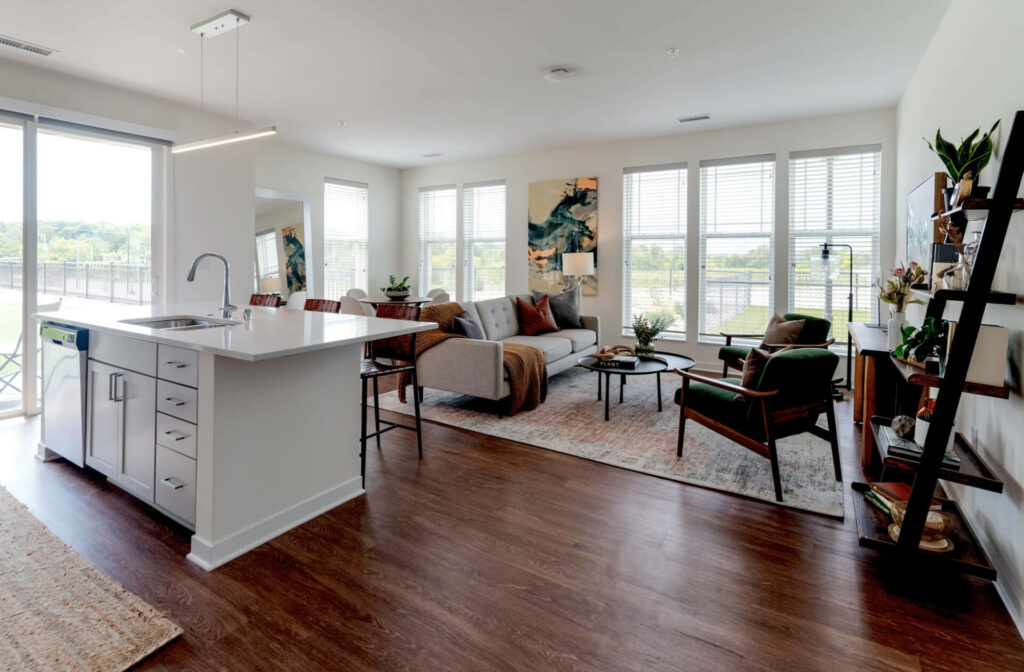
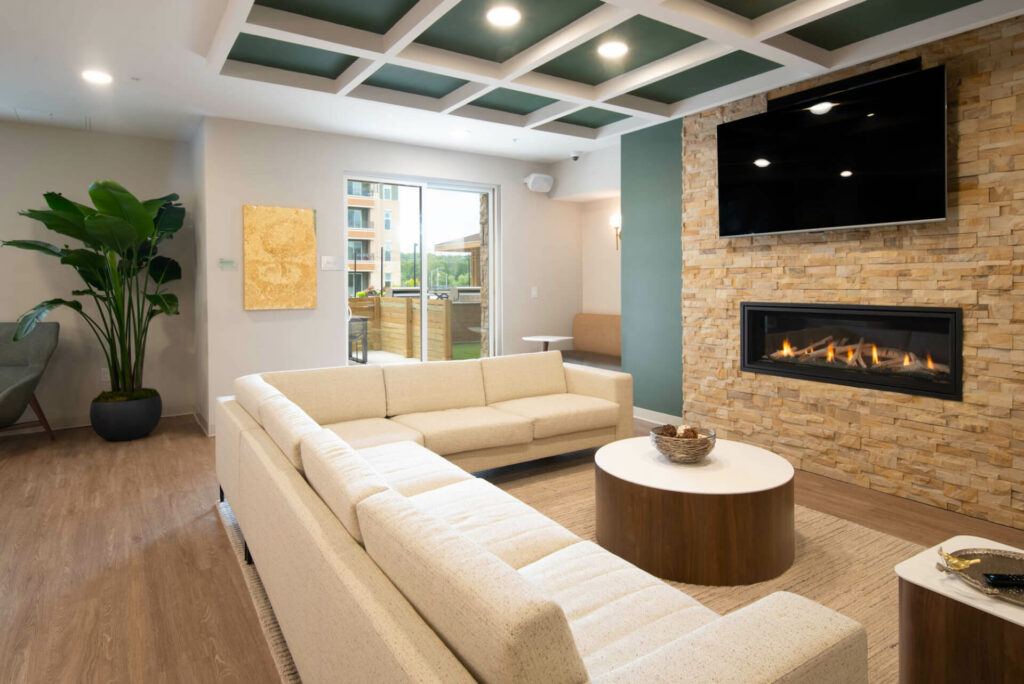

JLA’s work with Northwestern Mutual on Prado, created a distinctive exterior design that is reminiscent of prairie-style architecture. The interior, like the exterior, highlights the influences of this style through rich earth tones, intentional use of stone and wood elements, custom millwork, thoughtfully designed ceilings, and curated furniture. Together, these elements create a cohesive environment that honors the principles of Prairie-style design while offering a contemporary living experience.
Whether through placemaking, shared spaces, cultural references, or architectural influence, successful interior design is ultimately about creating meaningful experiences. By understanding how people interact with environments and drawing inspiration from the built world, designers can create spaces that are functional, memorable, and enduring.

Gigi Szeklinski is a passionate and innovative design leader with 25+ years of experience, including 20 years of teaching at Mount Mary College and Waukesha County Technical College. She holds a Bachelors of Art degree in Interior Design from Mount Mary College, and both a Bachelor and Master degree in Architecture from the University of Wisconsin-Milwaukee. Gigi joined JLA in 2025.
About Informed Design
‘Informed Design’ is a blog series brought about by JLA’s design team. Architecture for living environments is increasingly trending toward blending lifestyle, culture, and commerce into one seamless experience. We as a firm have observed that four core principles—placemaking, shared spaces, culture, and architecture—strongly influence whether these environments achieve lasting success. This series will look to iconic films for references and explanations of why they resonate so deeply, and how JLA’s current work is incorporating these insights.